
New report reveals why hope and meaning are vital for people serving long sentences
Sustaining hope and meaning is a “lifeline” that enables people on long sentences to progress and engage positively with the prison regime, a new report from the Prison Reform Trust’s Building Futures programme reveals.

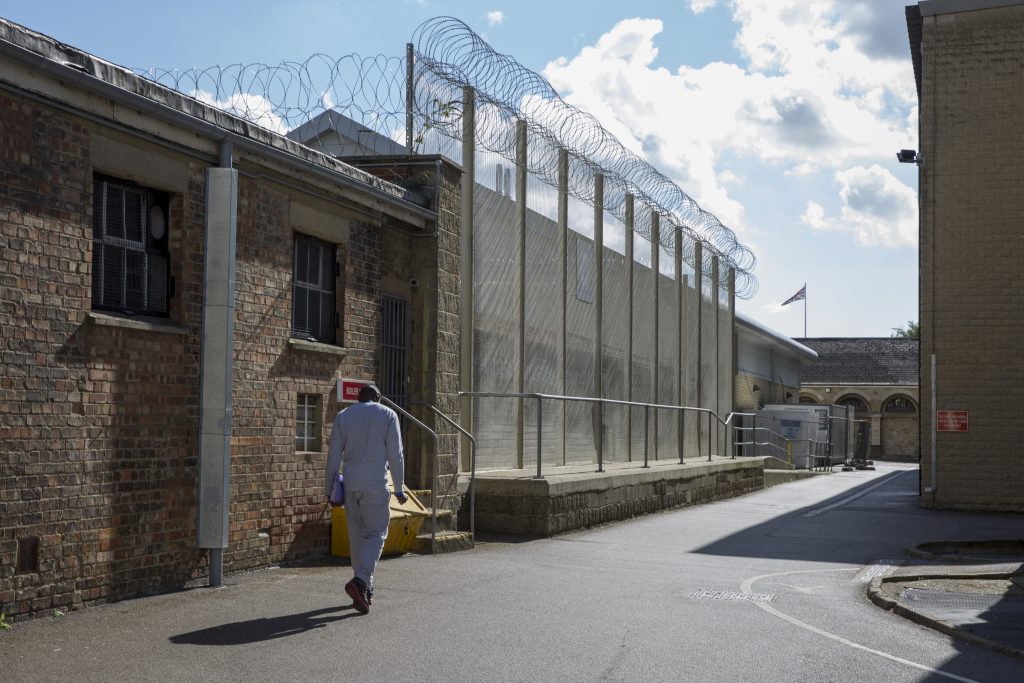
Drawing on the voices of 123 people serving long prison sentences, the report shows how years – often decades – behind bars can lead to “dead time”, institutionalisation and a loss of belief that they matter. The report also sets out practical steps to help mitigate the harms of long-term imprisonment and support rehabilitation.
Why hope matters
For participants in the ‘active citizens’ research1https://prisonreformtrust.org.uk/project/active-citizens/, hope emerged as a lifeline in the prison environment where control is often taken away and uncertainty dominates. Without hope, people reported feeling stagnant, infantalised and resentful. One participant explained:
“The longer someone is away from society, with non-existent rehabilitation, the more they become institutionalised, depressed and resentful.”
When hope was present, the report found that it motivated positive behaviour, engagement in education and peer support, and a desire to maintain family ties.
The research found hope was sustained by believing the system was fair, by opportunities for progression and meaningful daily activity.
Why meaning matters
Participants in the research said whether life in prison felt meaningful depended on how each day was spent and whether they could retain personal integrity. Fulfilment was found in family relationships, education, helping others and faith. Many sought to turn a negative experience into a positive benefit. One participant reflected:
“You need to be able to give this experience a purpose which is greater than your pain.”
A new way to measure hope
As part of its wider work, the Building Futures programme has developed and tested a Hope and Fulfilment Survey (HAFS), co-designed with long-term prisoners, to reliably measure these factors in the long-term prison population over time (publication forthcoming).
In 2025, HAFS was trialled with 190 long-term prisoners, providing a way of measuring how hope and fulfilment are experienced by long-term prisoners. The survey also aims to identify differences between demographic groups (for example, in relation to ethnicity and age) and also consider which aspects of imprisonment (for example, risk category or tariff length) are important predictors in relation to hope and fulfilment. The report discussing the HAFS survey will be published in the new year.
Recommendations
‘A measure of hope?’ makes several recommendations for change, including:
- HMPPS should adopt a ‘partners in progress’ national drive to map, expand and strengthen roles that support prisoners to maintain hope, purpose and meaning. This should include better support for maintaining family ties, expanding education partnerships and prioritising peer work.
- The Ministry of Justice and HMPPS leadership should explore the potential of Building Futures’ Hope and Fulfilment Survey (HAFS) model to capture data on hope and fulfilment over time across the prison estate.
- HMPPS should commission an external evaluation of the New Futures Network to explore how it could better meet the needs of long-term prisoners, including those unable to work or who have been out of the labour market for a decade or more.
Commenting on the report, Claudia Vince, Director of the Building Futures programme on long-term imprisonment, said:
“When we listen to people serving long sentences, we hear about years of ‘dead time’, lost connections, and a system that too often treats them as statistics rather than individuals. Yet we also hear about extraordinary resilience, and clear insights into what helps people maintain their humanity during decades in custody.
“Hope is not a luxury – it’s essential for rehabilitation and for people to retain their sense of purpose and dignity. This research shows that hope thrives when people are treated fairly, given opportunities for meaningful activity, and supported to maintain relationships with those who matter to them.
“These findings should inform a national strategy for long-term prisoners that recognises the unique challenges of serving very long sentences and commits to practical reforms that can make a real difference.”
