
House of Lords votes for important amendments on IPP sentences
Yesterday (21 May 2024) peers in the House of Lords agreed to important government amendments to the Victims and Prisoners Bill to reform the indeterminate sentence of imprisonment for public protection (IPP) sentence.
The changes will make real difference to people serving an IPP sentence on licence in the community and those recalled to custody. However, the 1,200 people in prison who have never been released have largely left out of the government’s proposals.
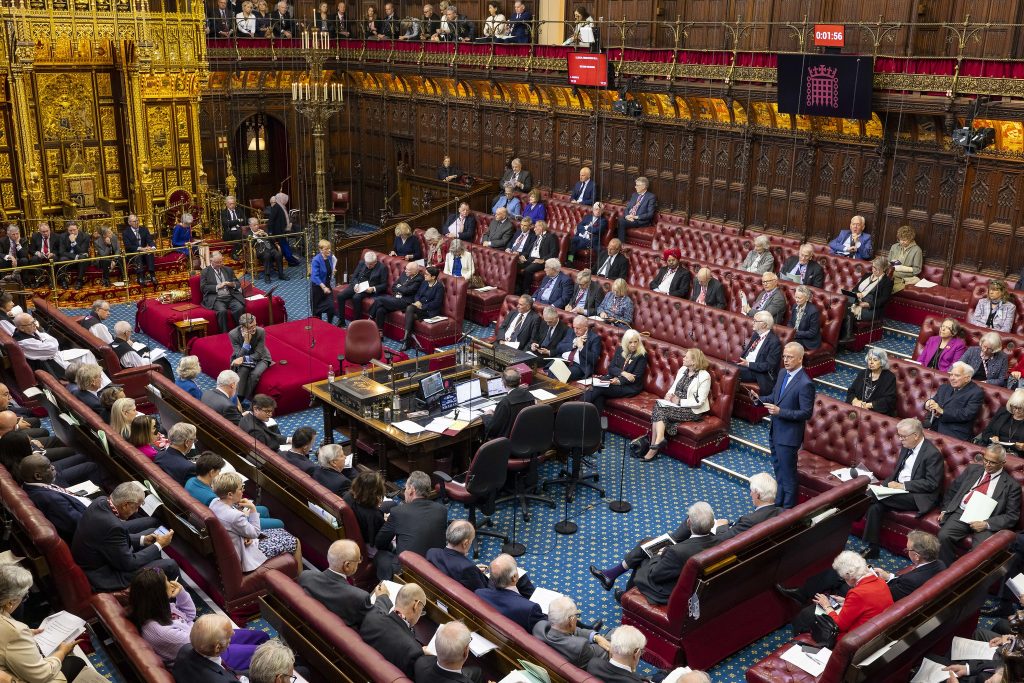
The government amendments follow welcome changes which were made to the bill in the House of Commons to improve the process for the review and termination of IPP licences. Read our explanation of what these changes mean for IPPs on licence in the community.
The government amendments which were agreed to by peers in the debate yesterday include:
- A new power of executive release of recalled IPP prisoners (amendment 139B).
- A new power for the government to dismiss an IPP recall for the purposes of the new arrangements introduced by clause 48 for the termination of an IPP licence (amendment 139A).
- A reduction in qualifying period for people sentenced as children to Detention for Public Protection (the equivalent of an IPP sentence for juveniles) to 2 years
- A requirement for the government to produce an annual report to be laid before Parliament on the steps it has taken to progress the release and licence termination of people on IPPs (amendment 139C).
These government amendments are all based on amendments which were originally drafted by the Prison Reform Trust and tabled by a distinguished group of peers led by Lord Blunkett and Lord Moylan for debate at an early stage of the bill.
It is important to note that none of these proposed changes in the bill have yet become law. The bill will need to be passed and by both Houses of Parliament and receive Royal Assent before it can come into force.
Additional amendments were also debated by peers during the report stage debate to:
- improve the sentence progression of IPP prisoners;
- change the Parole Board release test for certain IPP prisoners; and
- reintroduce an entitlement for someone on licence in the community to apply for an annual review of their licence following the expiry of the qualifying period.
However, only one of these amendments—to change the Parole Board release test—was put to a vote. This amendment, which was not supported by the government or the main opposition front bench, was defeated.
While the government amendments are welcome, they do not go far enough to address what has been described by the former Supreme Court Justice Lord Brown as “the greatest stain on the stain on the justice system”.
In particular, much more can and should be done to provide better support to and progress the release of 1,200 IPP prisoners who have never been released and remain stuck in the system.
Commenting, Mark Day, deputy director of the Prison Reform Trust, said:
“By improving the arrangements for licence review and termination and introducing a power of executive release of recalled IPP prisoners, ministers have taken important and welcome steps in the right direction.
“But IPP prisoners and their families will rightly feel aggrieved that the 1,200 IPPs in prison who have never been released have been largely left out of the government’s proposals.
“Bolder reforms will be needed for the stain of the IPP sentence finally to be eradicated.”
Find out more about the IPP sentence and our work to end its injustice.
A copy of the House of Lords debate on 21 May 2024 is available to read here.
A copy of the briefing we prepared for the debate to assist peers in scrutiny of the amendments is available to read here.
