
Blog: From one generation to the next
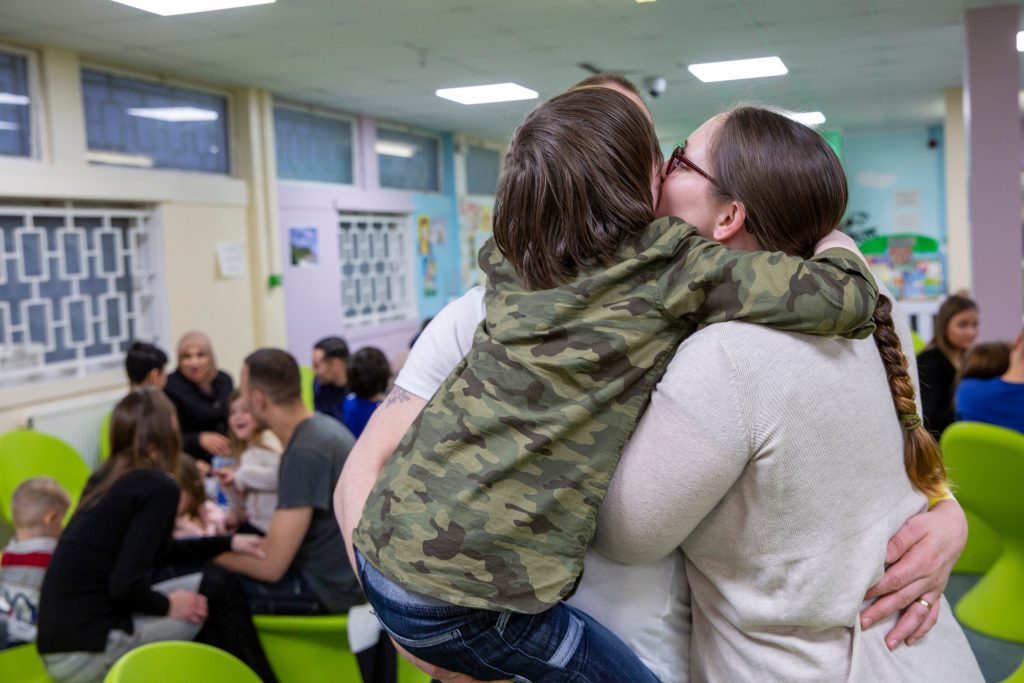
"I bet you weren't expecting us to be nice kids."
These words really made an impact on PRT’s current Next Gen cohort, part of a programme that brings together HMPPS leaders to find practical ways of improving prison life for prisoners and staff alike. They were spoken by Alice* (aged 22) who was invited, alongside Izzy* (aged 16), to talk about what it is like when a parent is in prison. Both are part of the Time-Matters UK support group for children and young people who experience one of life’s most challenging situations: Alice’s mum was in prison; Izzy’s dad still is.
Alice’s words point to a stark reality. Children with a parent in prison often grow up assuming that’s exactly what people think of them: kids to be wary of; kids who must be, at least a bit, like their imprisoned parent. Both Alice and Izzy have experienced this stigma – from teachers at school, people in their community, and, of particular interest to the Next Gen leaders, from prison staff. They were visibly moved as Alice and Izzy described the grief and loss of being separated from their parents; the loneliness and isolation of not knowing where to turn for support; and the anxiety around visiting.
For the record, the Next Gen leaders had clearly not made the assumption that Alice had braced herself for. They were respectful, showed empathy, and listened with humility. Importantly, they did not try to defend a prison system that does not consistently meet its own vision of supporting the family ties of those in custody. They were obviously eager to learn from the experts in the room.
There is a lot to learn. Alice and Izzy described inconsistent and constantly changing rules related to prison visits (what you can and can’t wear being one of the most frustrating). They spoke about their fear of going through security and the feeling that they had done something wrong (seeing posters asking if they were bringing in drugs or weapons only added to this). They had both experienced the rigidity of a system that only permits families to visit one person in prison at a time. Alice’s aunt was in prison with her mother, and Izzy’s grandfather is serving a sentence in the same prison as her father. Both shared their frustration of not being able to meet as a wider family group and the heart wrenching choices their accompanying adults have had to make.
Of real concern for the Next Gen leaders was the disconnect between what prisons say — “We’ve got a fantastic soft play area!” — and the reality, as borne out by Izzy’s experience: “In the five years I’ve been visiting a prison, I’ve never once seen the soft play area being used.” Izzy has become so disillusioned by her experience of visiting her dad prison that she no longer goes: “It was just too harsh, and I found it too stressful.”
When prison leaders hear directly from children and young people about what it’s actually like to visit a parent in prison, something shifts. It’s one thing to read a policy document about family contact, quite another to hear an emotional account. The impact was clear:
“It was genuinely inspiring to hear the two young ladies speak with such confidence, honesty and insight. The way they articulated their experiences and reflected on their journeys was incredibly powerful.”
Next Gen participant
“I gained a valuable insight into the experience of a child [impacted by] parental imprisonment… it made me appreciate just how challenging it can be to balance security and the needs of children and families. It is difficult, not impossible. Compassion is something we can [have], and having empathy can help to potentially soften some parts of the process.”
Next Gen participant
“What really stood out to me is the reminder that children and their families may not arrive for a prison visit as the best versions of themselves — there’s a whole story behind them that staff must be aware of.”
Pia Sinha, CEO of the Prison Reform Trust and founder of the Next Gen programme
This impact quickly turned to action. Within a few days, one of the Next Gen leaders had instructed a review of their family forum with plans to instigate a Youth Advisory Board. Another had committed to being in the prison visits queue the following week to experience the process first-hand. Many have requested follow-on training for their staff on the impact of imprisonment on children. “This is exactly what Next Gen is about,” says Pia, “finding practical ways that prison leaders can improve their prisons, and that includes for the families who visit. Even something as simple as putting a clock in the visits hall can help children manage their time with their parent and prepare for their goodbyes.”
When asked what one message they wanted the Next Gen leaders to take away, Alice’s answer was unequivocal: “Remember, we’re here to see our loved ones, our parents. We’re not here to see criminals. We’re just kids.” Izzy agreed and added, “Just be kind.” If the next generation of prison leaders keep listening to this generation of children, they might just change our prison system for the better.
* Names have been changed to preserve anonymity
